Best Wood for Cutting Boards (Face, Edge & End Grain)
Find the best woods for cutting boards—maple, walnut, beech, cherry, and more. Grain, hardness, food-safety, price, and which woods fit face, edge, or end-grain builds.

Find the best woods for cutting boards—maple, walnut, beech, cherry, and more. Grain, hardness, food-safety, price, and which woods fit face, edge, or end-grain builds.

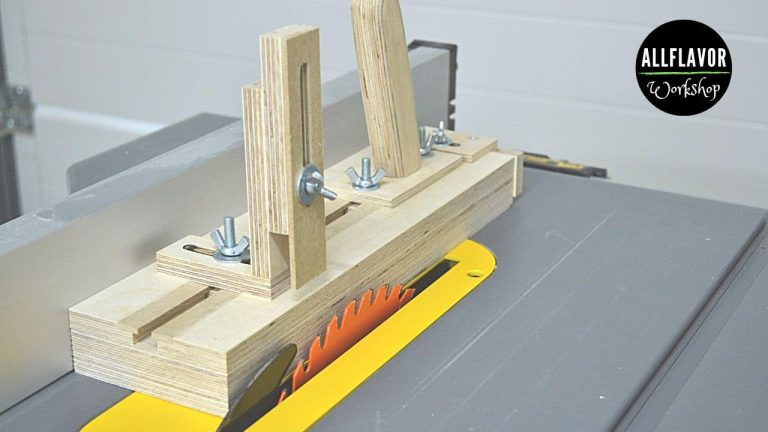
Build cleaner, flatter cutting boards—face, edge, and end grain—with shop-tested tips for milling, glue-ups, sanding, grooves, and finishing. Includes jig recommendations and troubleshooting.

Learn how to make a chaotic end grain cutting board with this detailed step-by-step woodworking guide. Build a one-of-a-kind board using padauk, walnut, ash, and beech — a mix of rich colors, natural contrast, and precise craftsmanship.

Learn how to make a stunning DIY ombré end grain cutting board. This advanced woodworking project combines precise glue-ups, unique wood tones, and a smooth ombré gradient that makes it both durable and beautiful.

Build your own DIY edge grain cutting board with this step-by-step guide. Learn how to glue up, flatten, and finish an edge grain board — durable, beautiful, and perfect for everyday use.

Build a DIY face grain cutting board step by step. This simple beginner project shows you how to make a beautiful cutting board, with optional live edge and epoxy details.

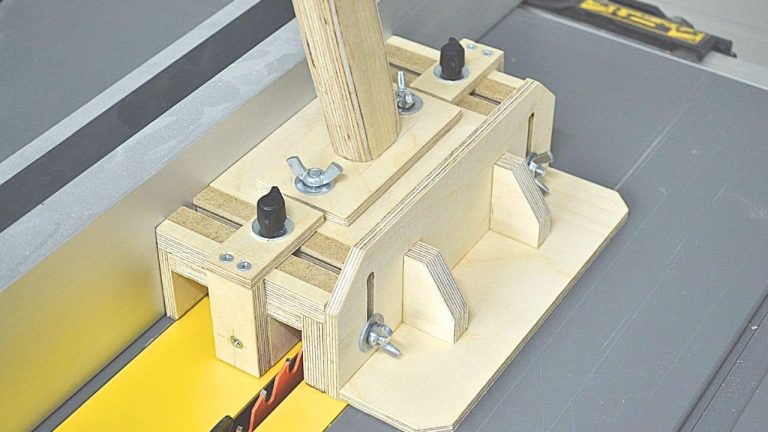
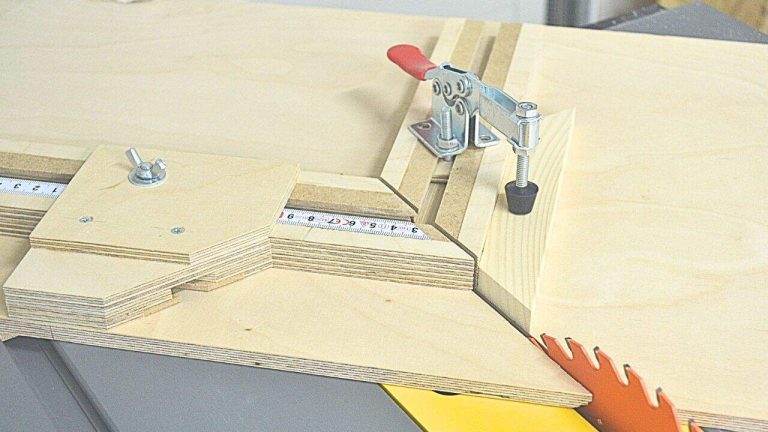
Make a precise DIY Hexagon Jig for your table saw sled. Compact, reusable, and easy to store — cut perfect hexagons and expand your modular jig system.

Walnut and oak are two of my go-to hardwoods in the workshop. I’ve used both for cutting boards, bowls, and even jigs, and while they share many qualities, each shines in different ways. In this guide, I’ll compare walnut vs oak from a woodworker’s perspective—color, hardness, cost, and how they actually perform in real projects.