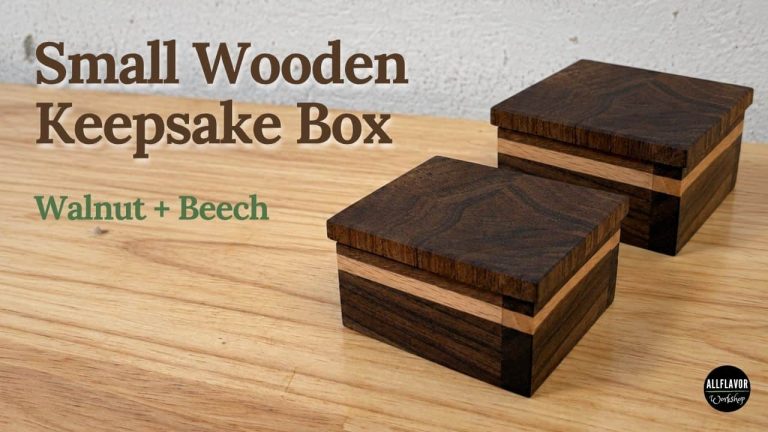
How to Make a Small Wooden Keepsake Box (Step by Step)
Build a small wooden keepsake box from walnut and beech with thin laminated walls and a fitted lift-off lid. A compact hardwood project with plenty of room for precision and detail.

Build a small wooden keepsake box from walnut and beech with thin laminated walls and a fitted lift-off lid. A compact hardwood project with plenty of room for precision and detail.
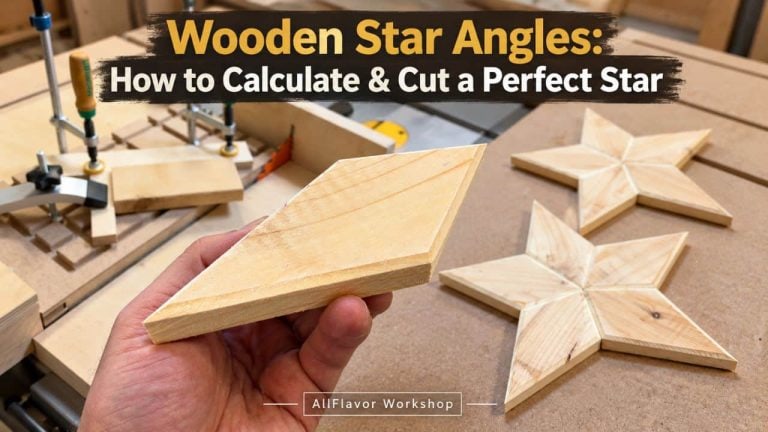
Learn how to calculate the correct angles for 4-point, 5-point, 6-point, and other wooden stars. I’ll show you the simple formula, table saw setup, angle chart, and how to avoid gaps in the center.
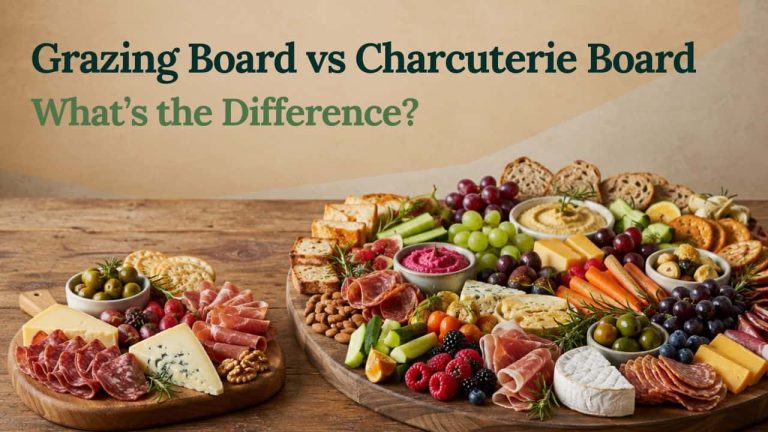
Grazing boards and charcuterie boards often look similar, but they are not quite the same. Here is the real difference — and what it means when choosing or making the wooden board itself.
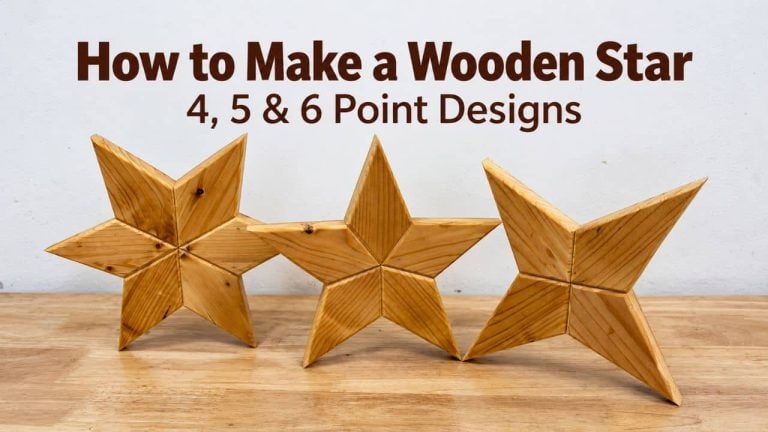
Learn how to make wooden 4-point, 5-point, and 6-point stars from spruce using a table saw. I’ll show you the angles, cutting setup, glue-up, chamfering, and a few tricks for fixing small gaps.
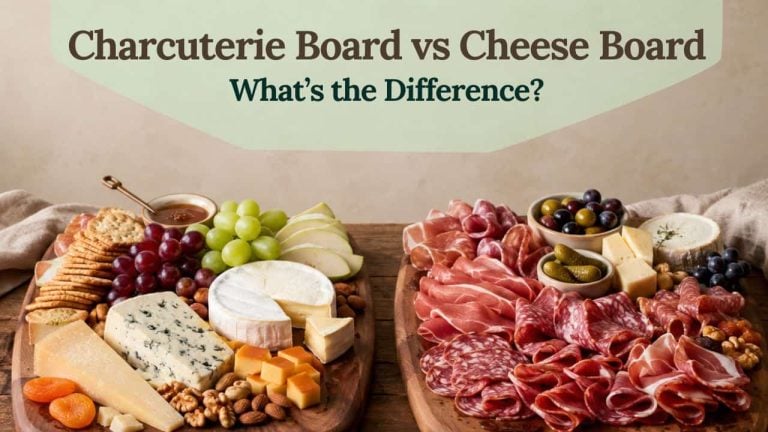
If you put a cheese board and a charcuterie board next to each other, there is a good chance the wooden boards themselves could be exactly the same. That is probably the biggest difference between this comparison and something like…
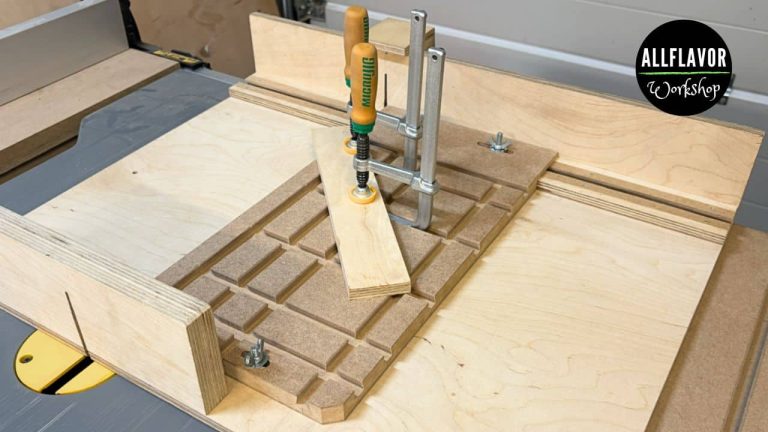
Build a versatile table saw angle jig that attaches to a standard sled and lets you clamp workpieces at almost any angle. The routed dovetail matrix makes it easy to secure angled, irregular, and difficult-to-hold pieces for safe, repeatable cuts.

Do you really need a juice groove on a cutting board? Here is when I add one, when I leave the board flat, and what I consider before routing it.
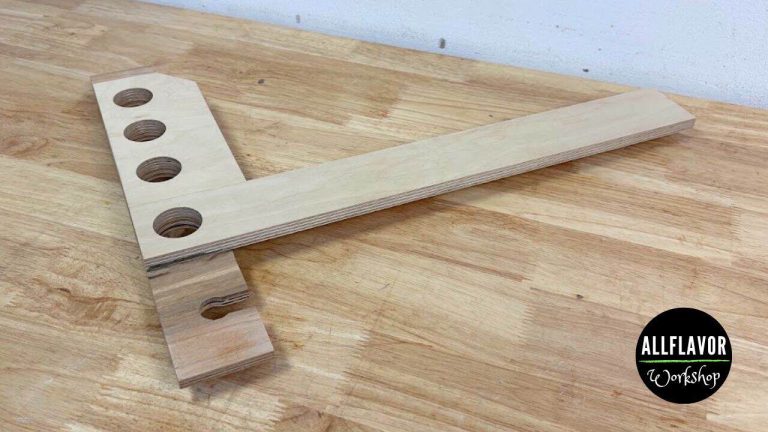
Build a simple router rabbet jig from Baltic birch plywood for quick, accurate rabbets with a handheld router. The jig gives you a 90° reference, flexible rabbet width, and easy clamping for boxes, drawers, cabinets, and larger panels.