How to Make a Small Wooden Keepsake Box (Step by Step)
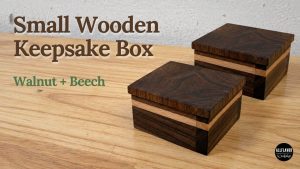
Build a small wooden keepsake box from walnut and beech with thin laminated walls and a fitted lift-off lid. A compact hardwood project with plenty of room for precision and detail.

Build a small wooden keepsake box from walnut and beech with thin laminated walls and a fitted lift-off lid. A compact hardwood project with plenty of room for precision and detail.
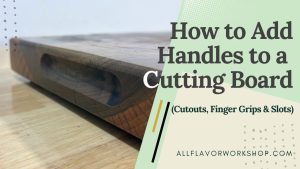
Handles make a cutting board much easier (and more comfortable) to pick up — especially bigger boards. In this guide, I’ll show the handle styles I use most (cutouts, finger grips, and side slots), which router bits work best, and how to route them cleanly without tear-out or burn marks.
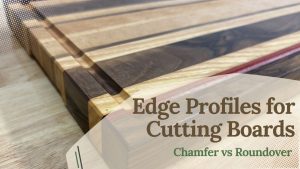
Roundover and chamfer are two of the best edge profiles for cutting boards — simple to make and they instantly give a board a more professional look. In this guide, I’ll compare roundover vs chamfer, show which router bits work best for each, and share practical tips for clean edges (tear-out prevention, burn mark fixes, and a quick sanding finish).
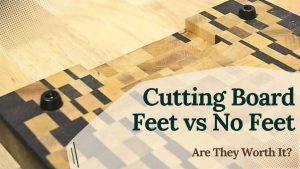
Not sure if you should add rubber feet to your cutting board? Here’s the practical comparison—grip, hygiene, and airflow—plus quick install tips and when I skip feet.
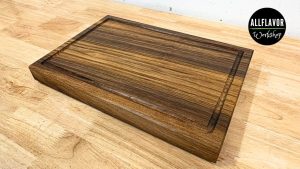
Want a cutting board project that’s actually beginner-friendly? This simple walnut face grain cutting board is a clean start-to-finish build: cut, glue, sand, and finish with a food-safe oil — no epoxy, no fancy extras.

Learn how to turn a wooden bowl from start to finish—beginner tools, safe setup, blank prep, outside shape, hollowing, sanding, and a food-safe finish. Clear, step-by-step photos plus troubleshooting.

Face vs. edge vs. end grain cutting boards—see the differences, pros/cons, tools you’ll need, and when to choose each. Simple guidance for beginners with links to builds, jigs, and plans.

Find the best woods for cutting boards—maple, walnut, beech, cherry, and more. Grain, hardness, food-safety, price, and which woods fit face, edge, or end-grain builds.